 A GM Teknoloji Product
Not a single answer — the whole of behaviour.
GeniusMethods makes visible the decisions, the paths and the change over time of students aged 10–18 across game tasks.
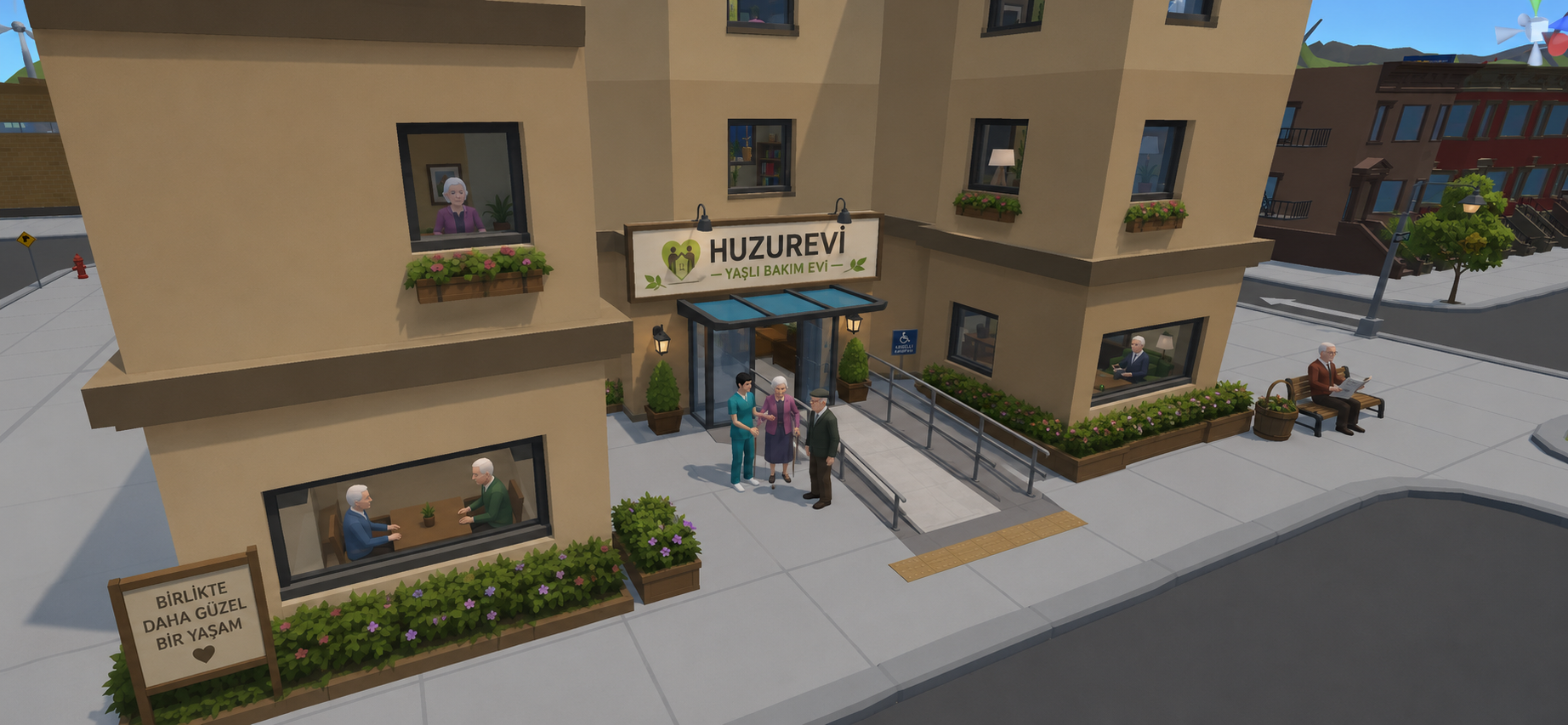
A student helps a resident at the care home.
Combined observation: social approach stands out.
One result is not enough
A child is more than a single answer.
That day they may have been nervous, rushed, or unable to express themselves. So GeniusMethods does not turn a single answer into a verdict; it looks at how they decide across different tasks, how they retry, and how their approach changes over time.
One frame

One day. One answer. One result.
The whole story
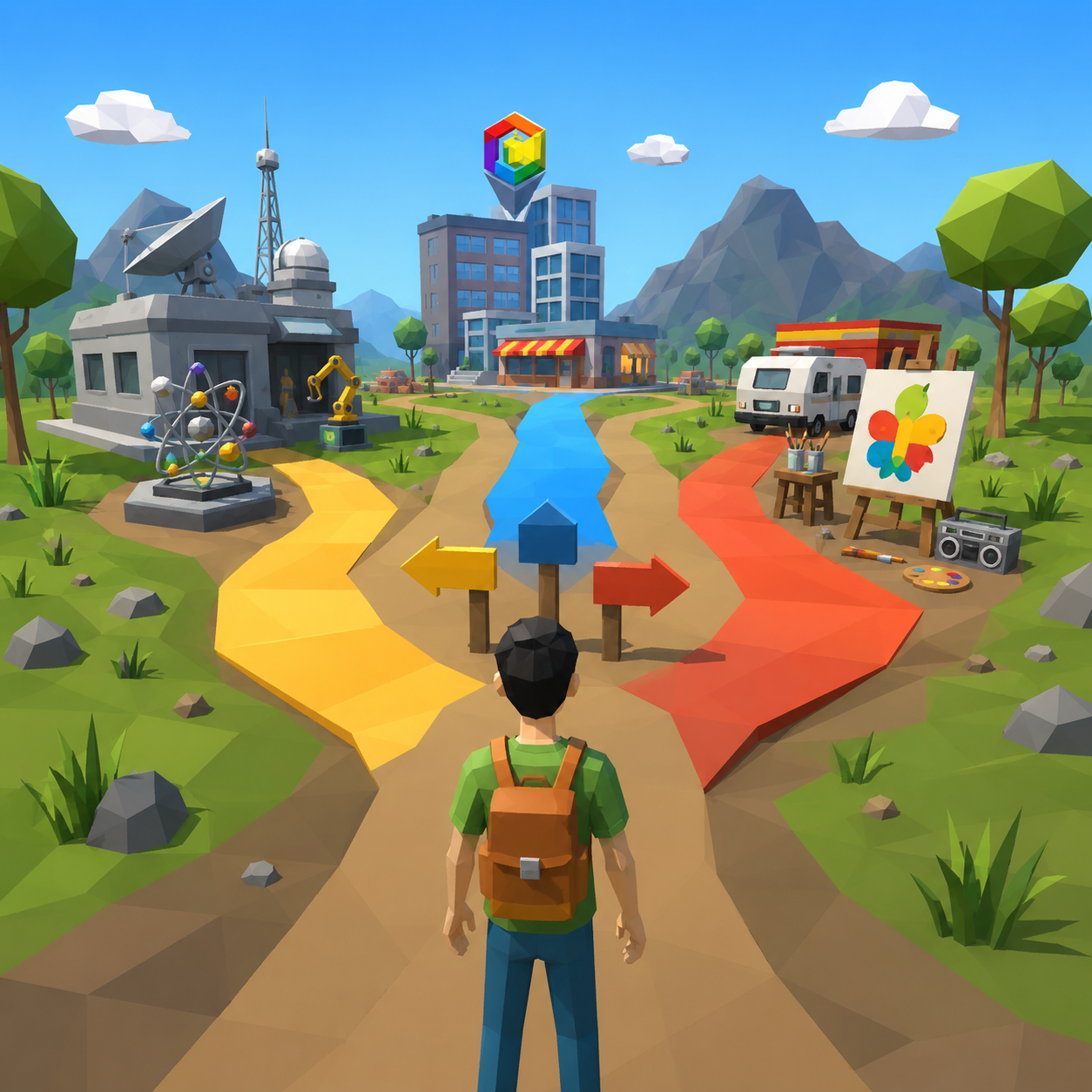
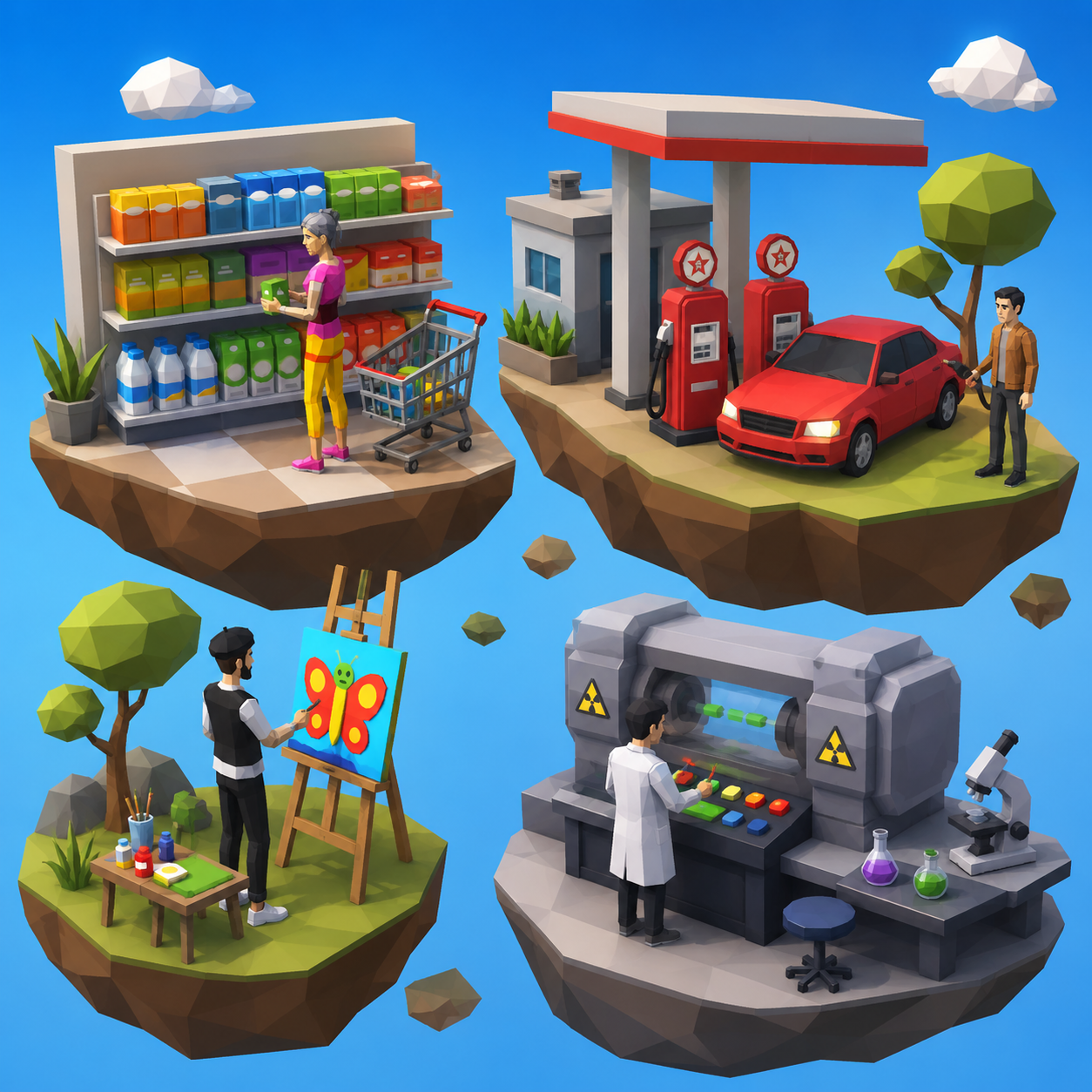
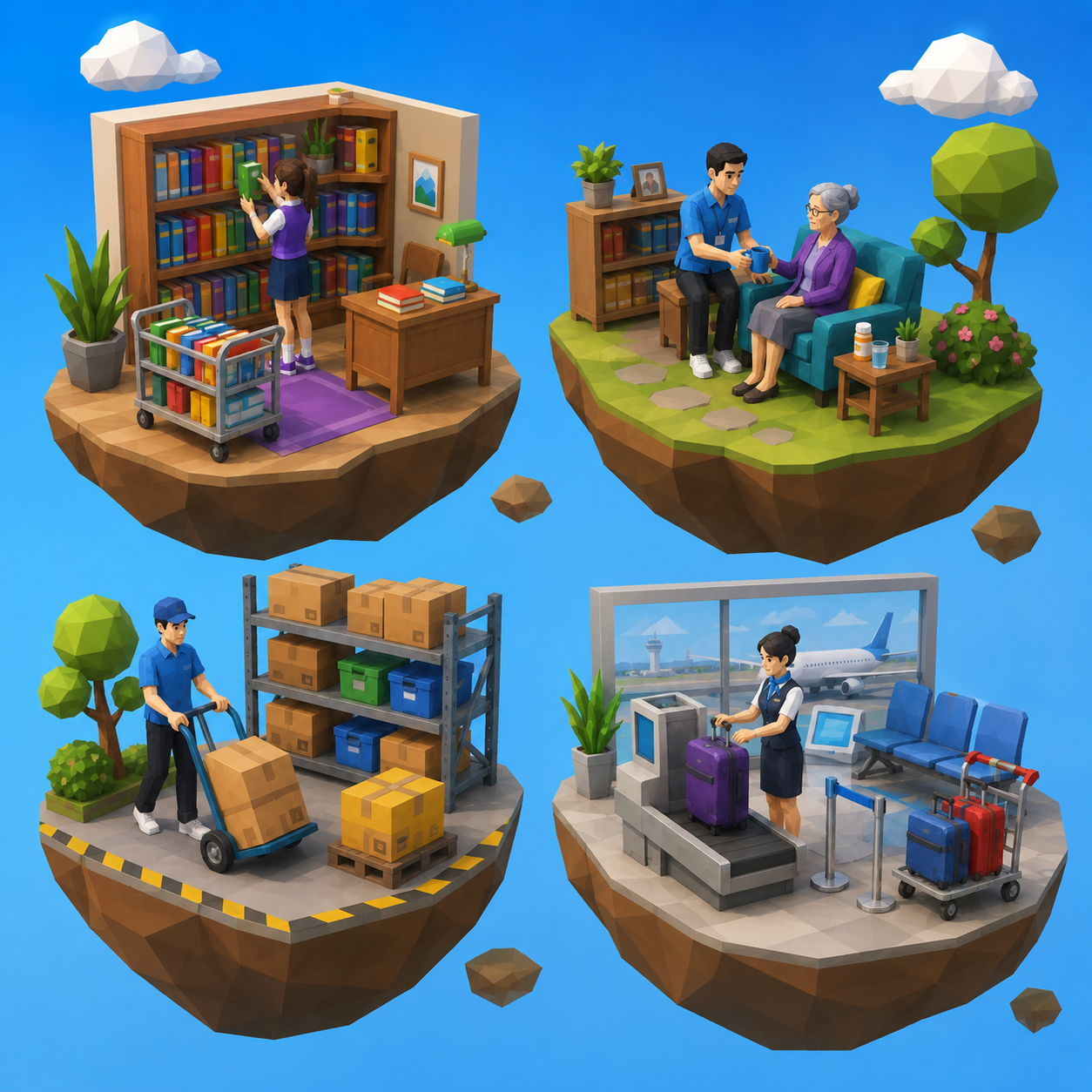

Different tasks. Different decisions. Change over time.
Observation: the whole of behaviour
The real meaning emerges not in a single result, but in the whole that behaviour forms over time.
The game is played. Decisions become visible. Observation gains meaning.
Real-life task
The student enters a natural game experience.
Player decision
Choice, time, retries and approach are recorded.
Behaviour indicator
Defined indicators are evaluated together.
Combined observation
Not a single action, but the whole of behaviour.
Role-based report
Everyone sees only the content they are entitled to.
The game world
Every task carries a decision moment from real life.
The student does not solve a classic test; they play tasks inspired by real life.
Care home task
Empathy, adapting to individual needs, a helping approach.
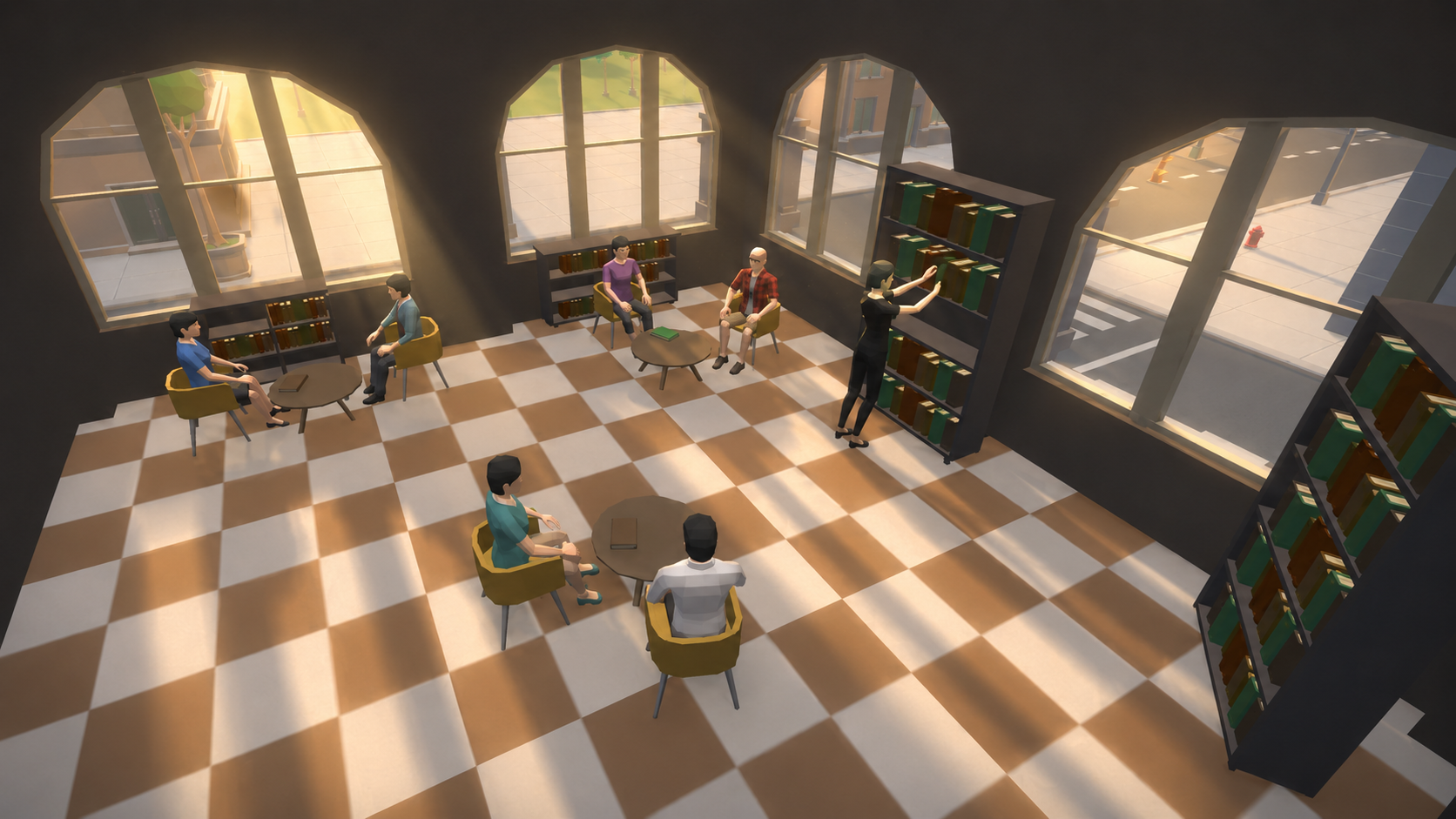
Library task
Ordering, classification and planning approach.
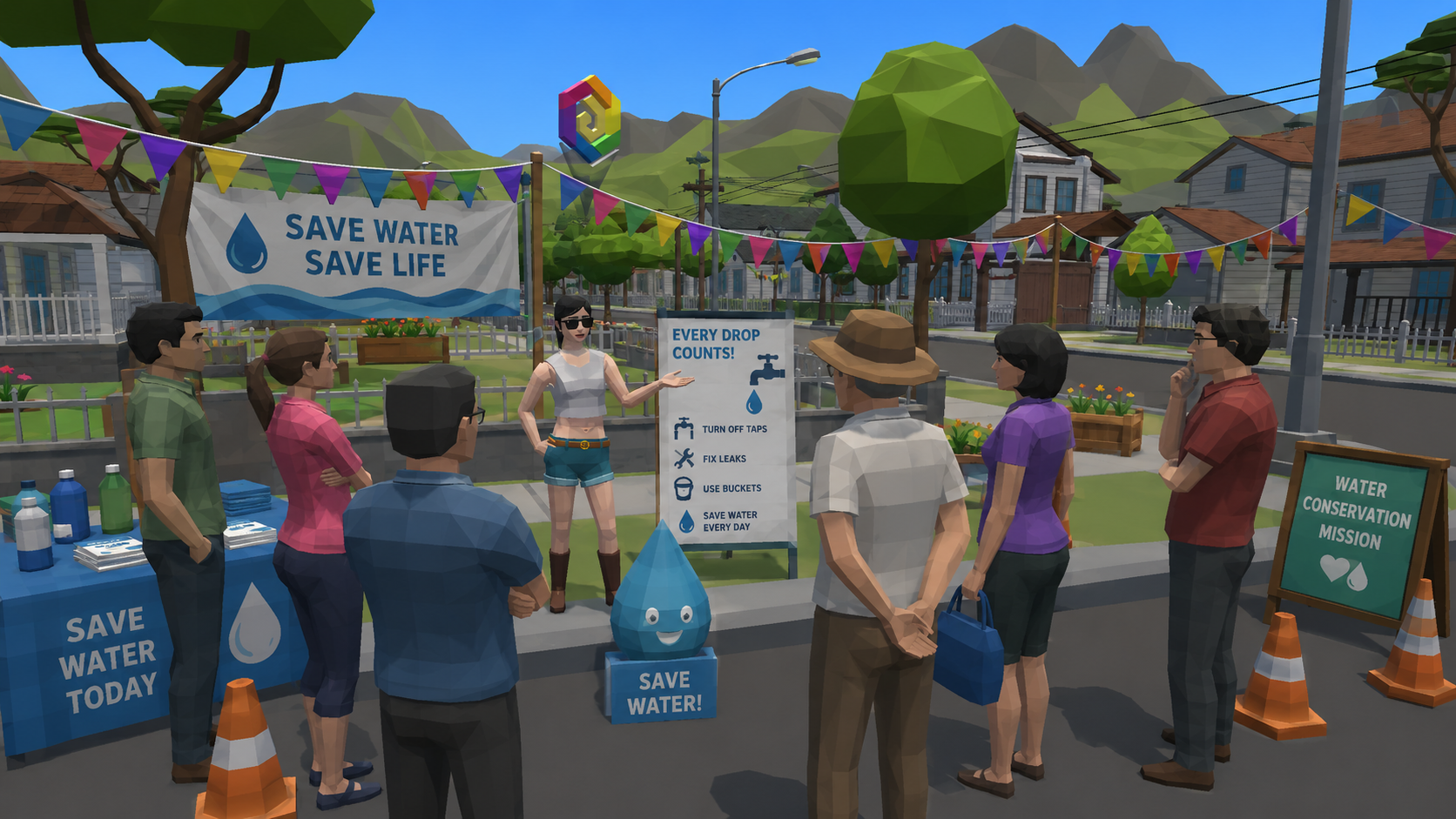
Water saving task
Environmental awareness and resource decisions.
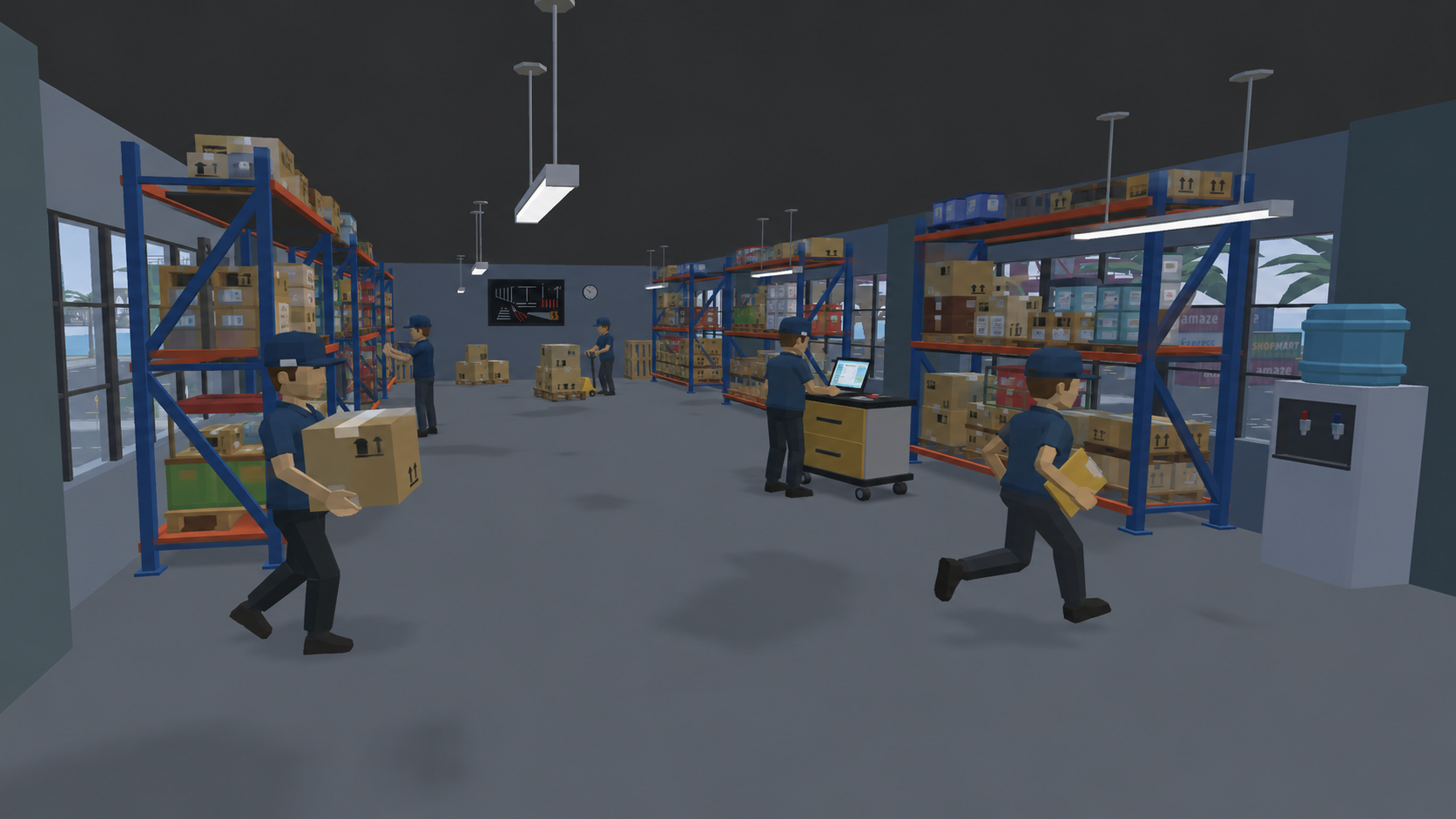
Logistics task
Sequencing, prioritisation and time management.
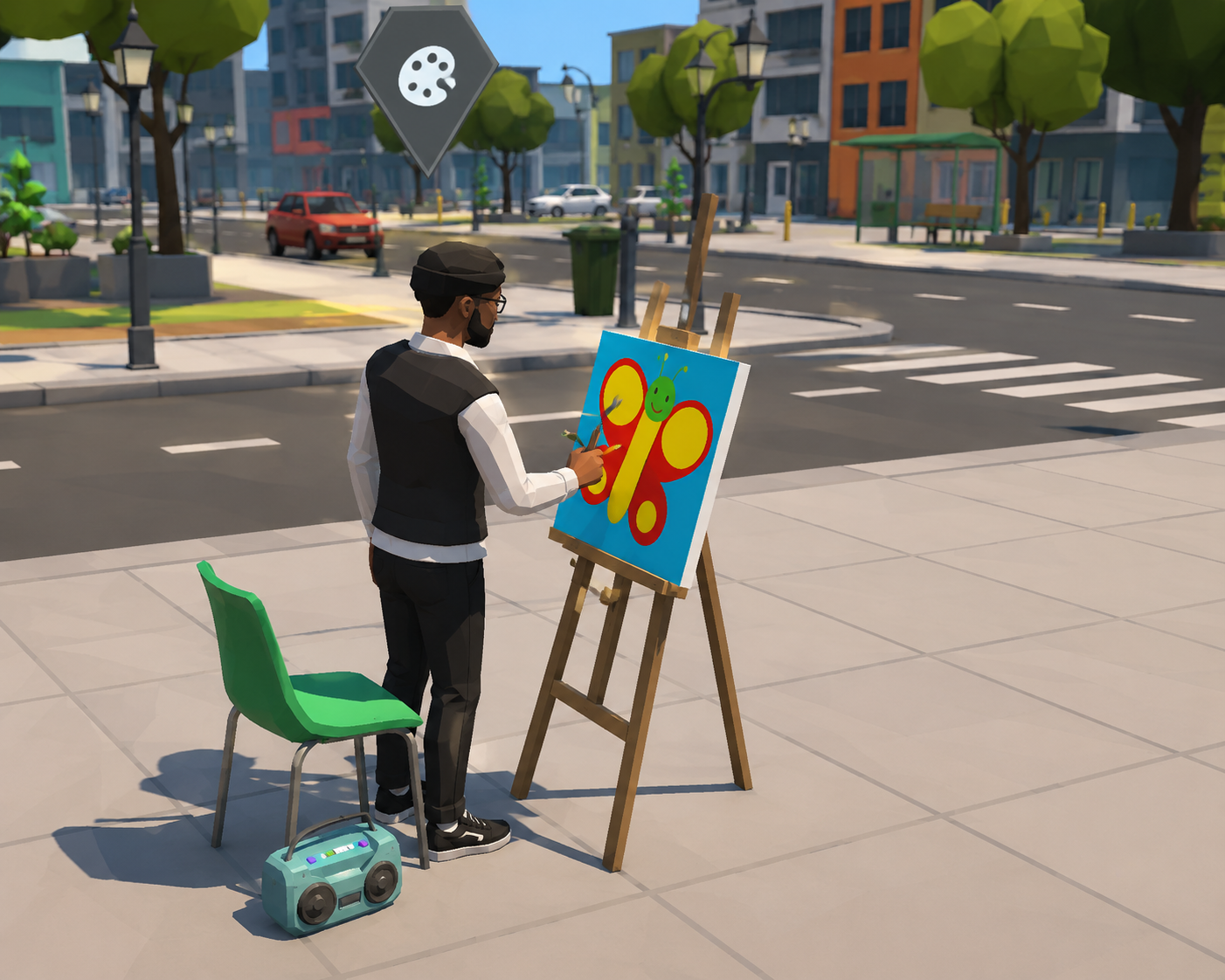
Art & design task
Creative expression and aesthetic choices.
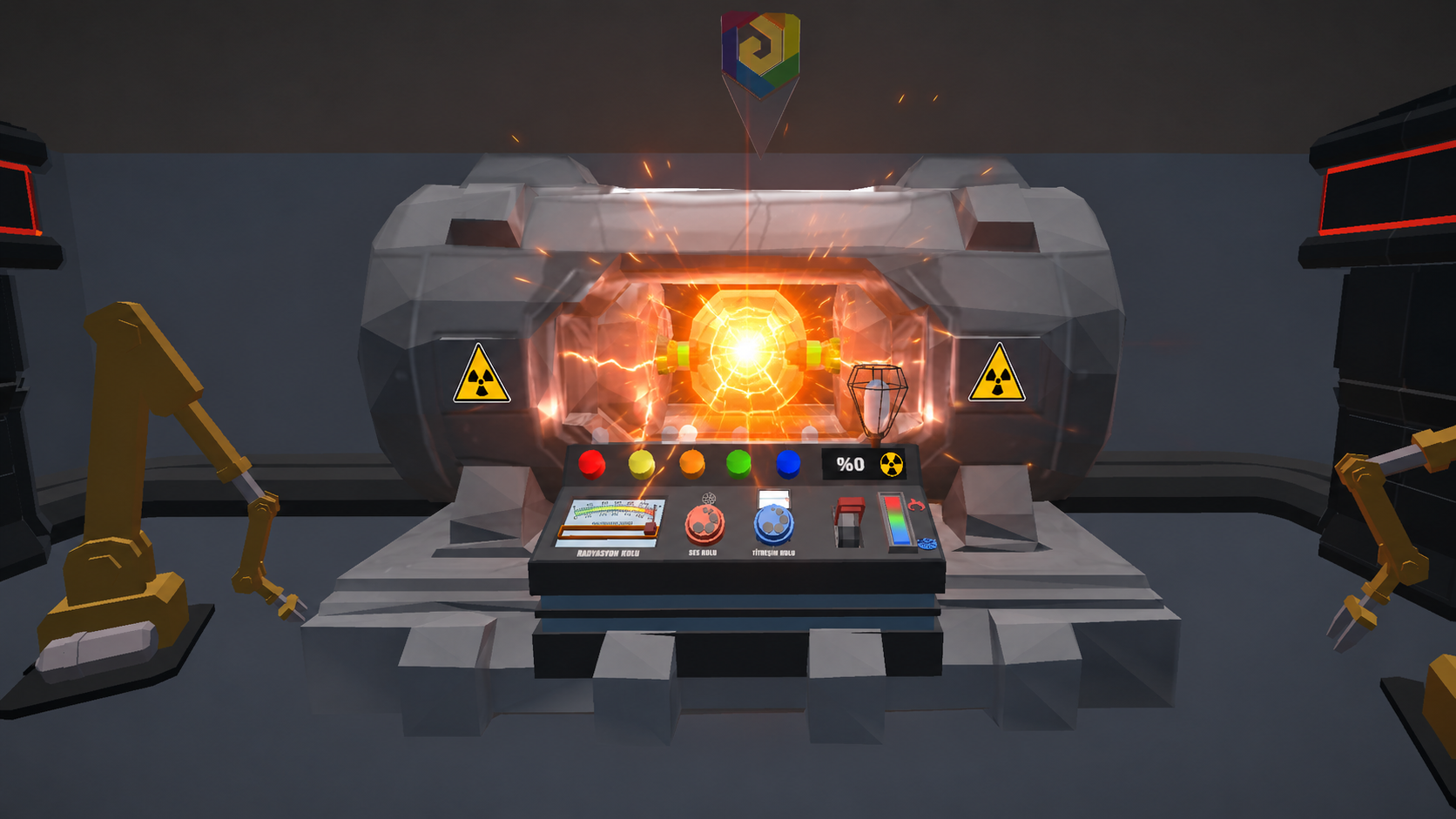
Technical problem task
Trial, analysis and practical application.
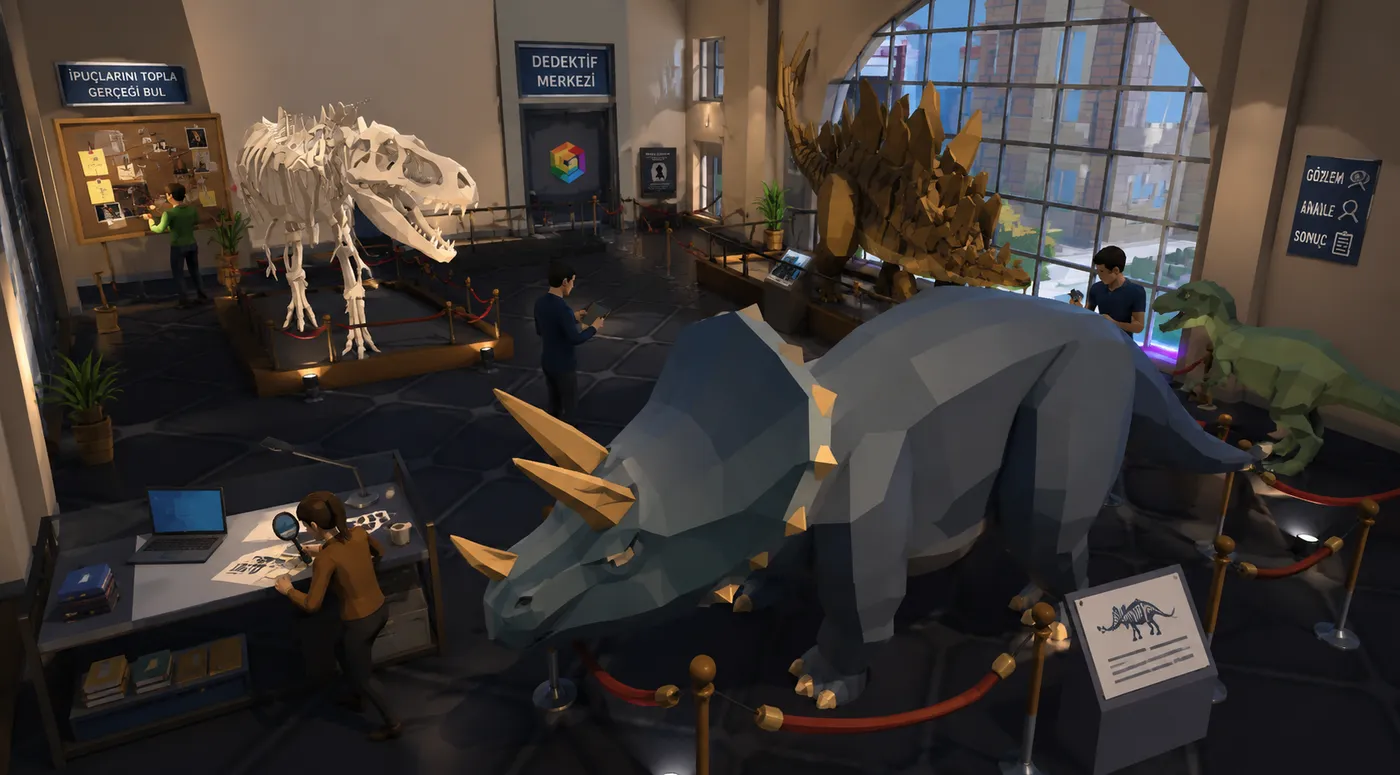
Museum detective task
Collecting clues, observation and inference.
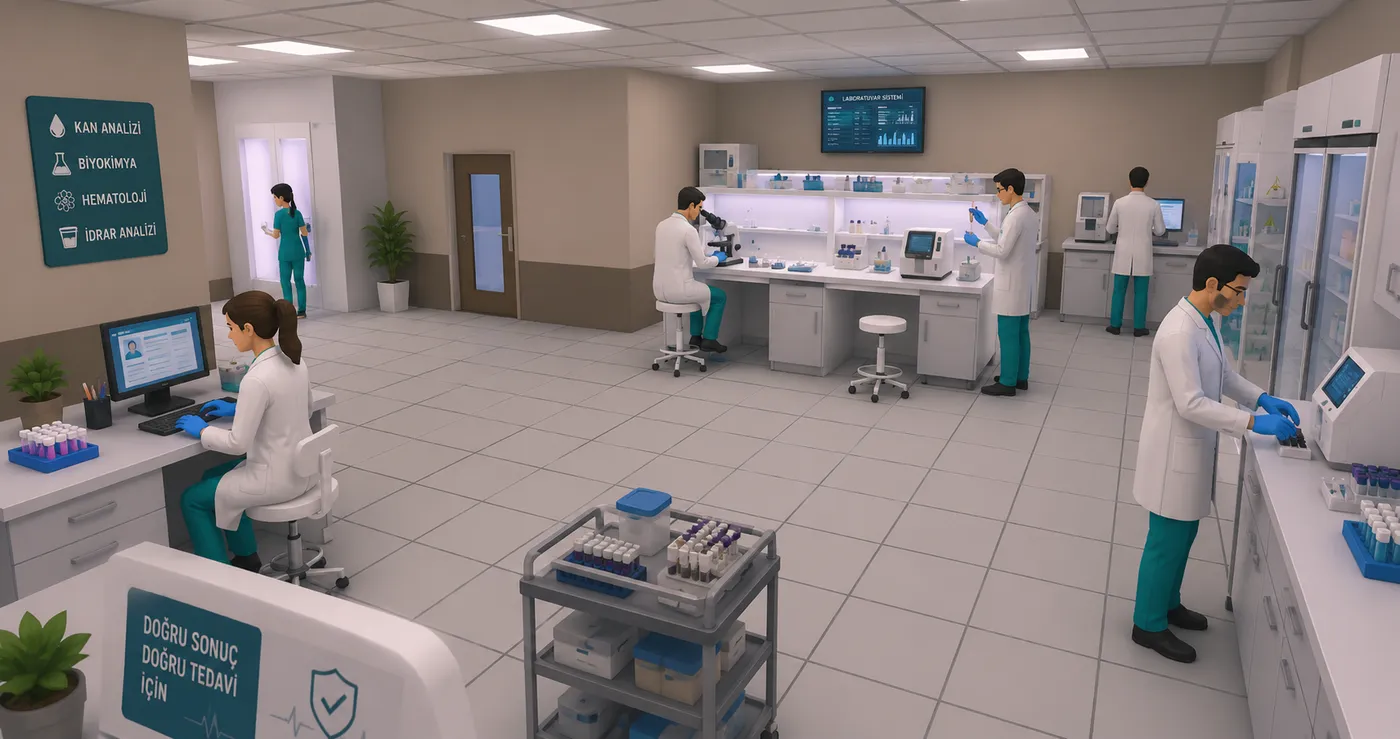
Health laboratory task
Analysis, attention and reaching the right result.
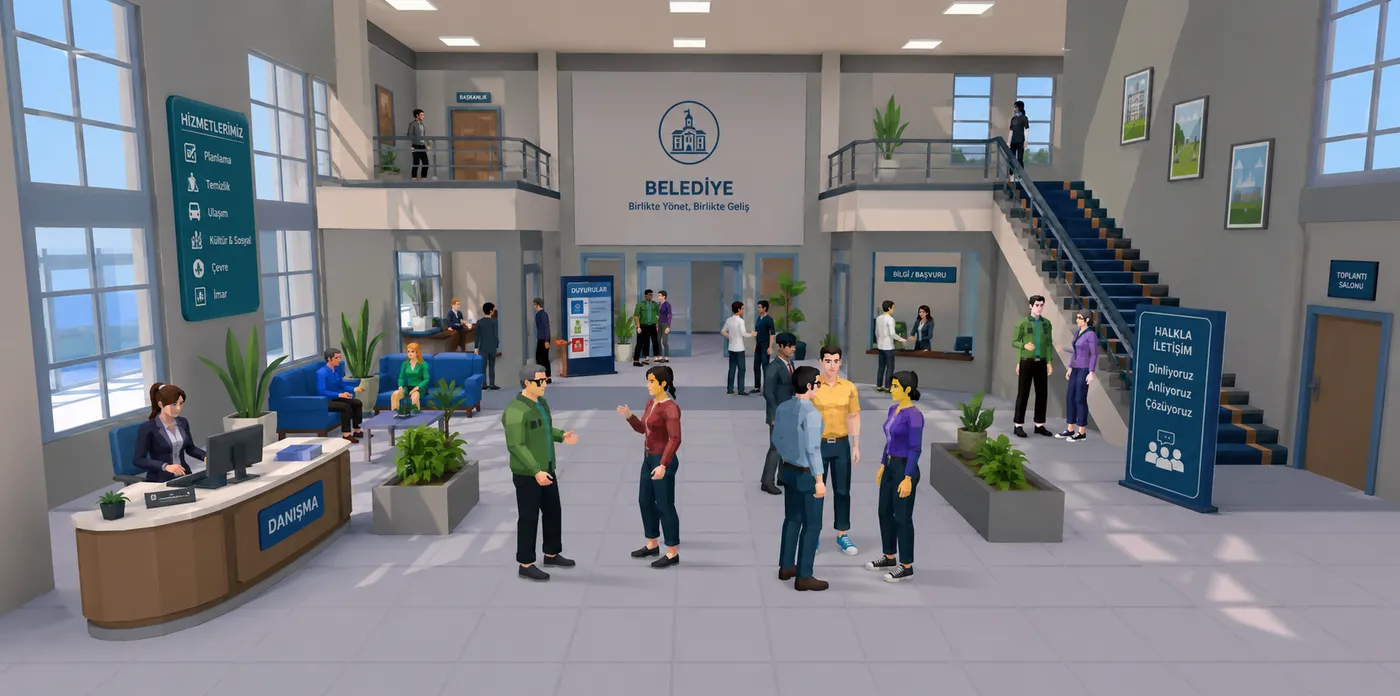
Municipality task
Reaching the right person and social communication.
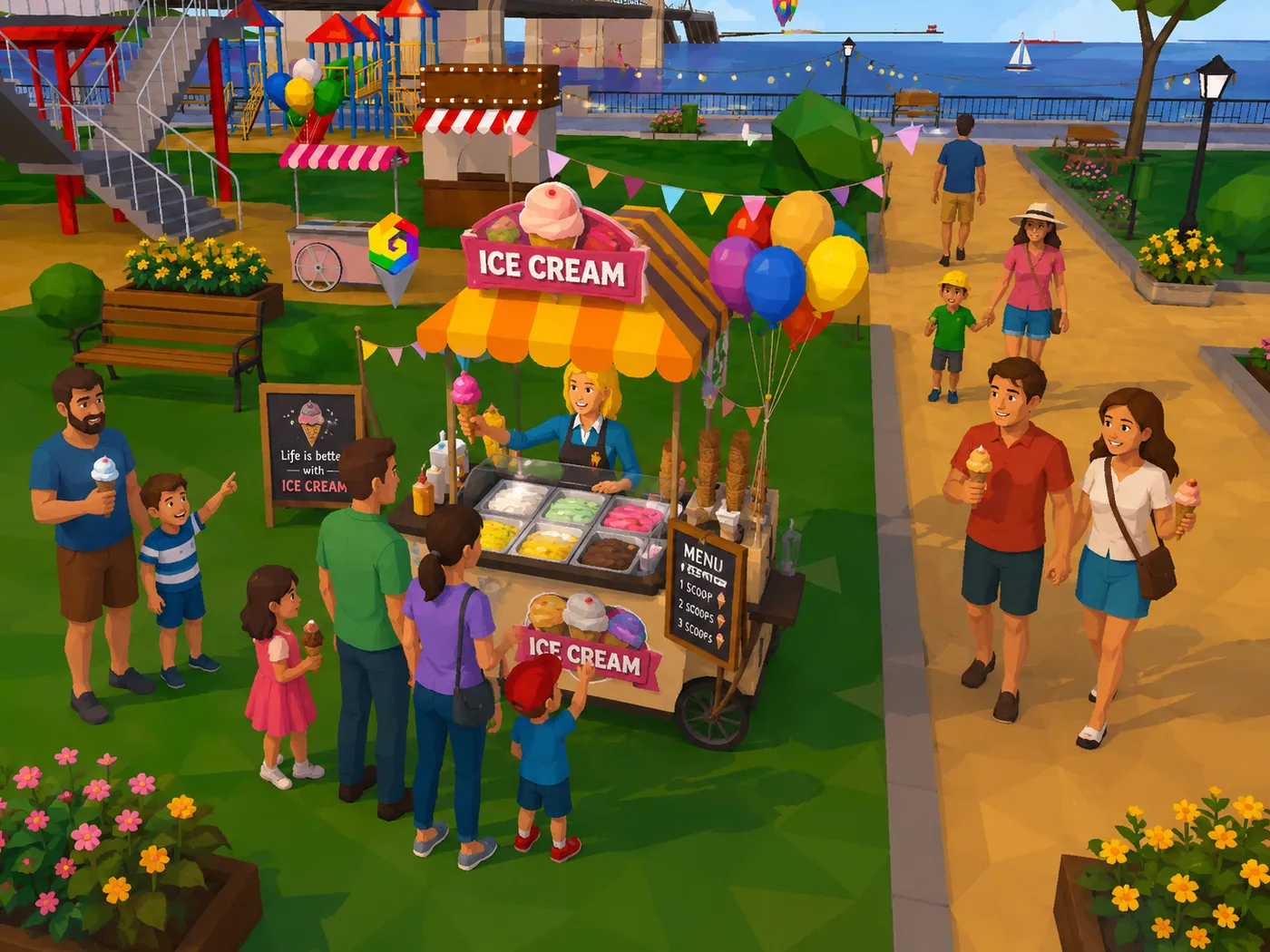
Ice cream rivalry task
Pricing, competition and entrepreneurial decisions.
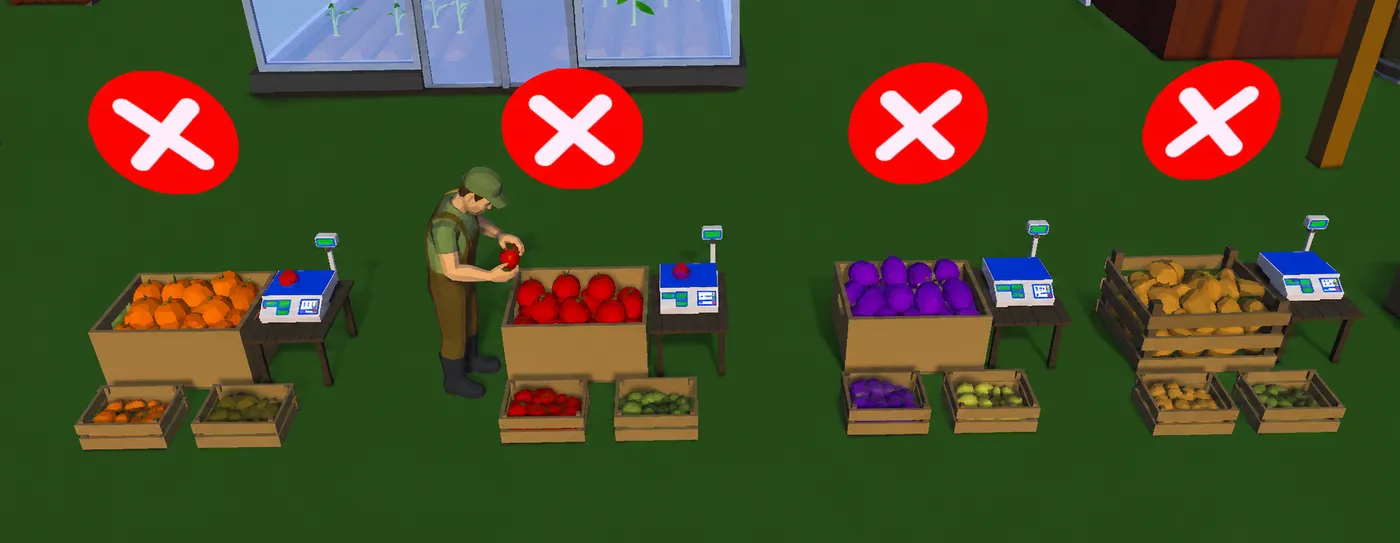
Greengrocer quality task
Careful inspection and quality standards.
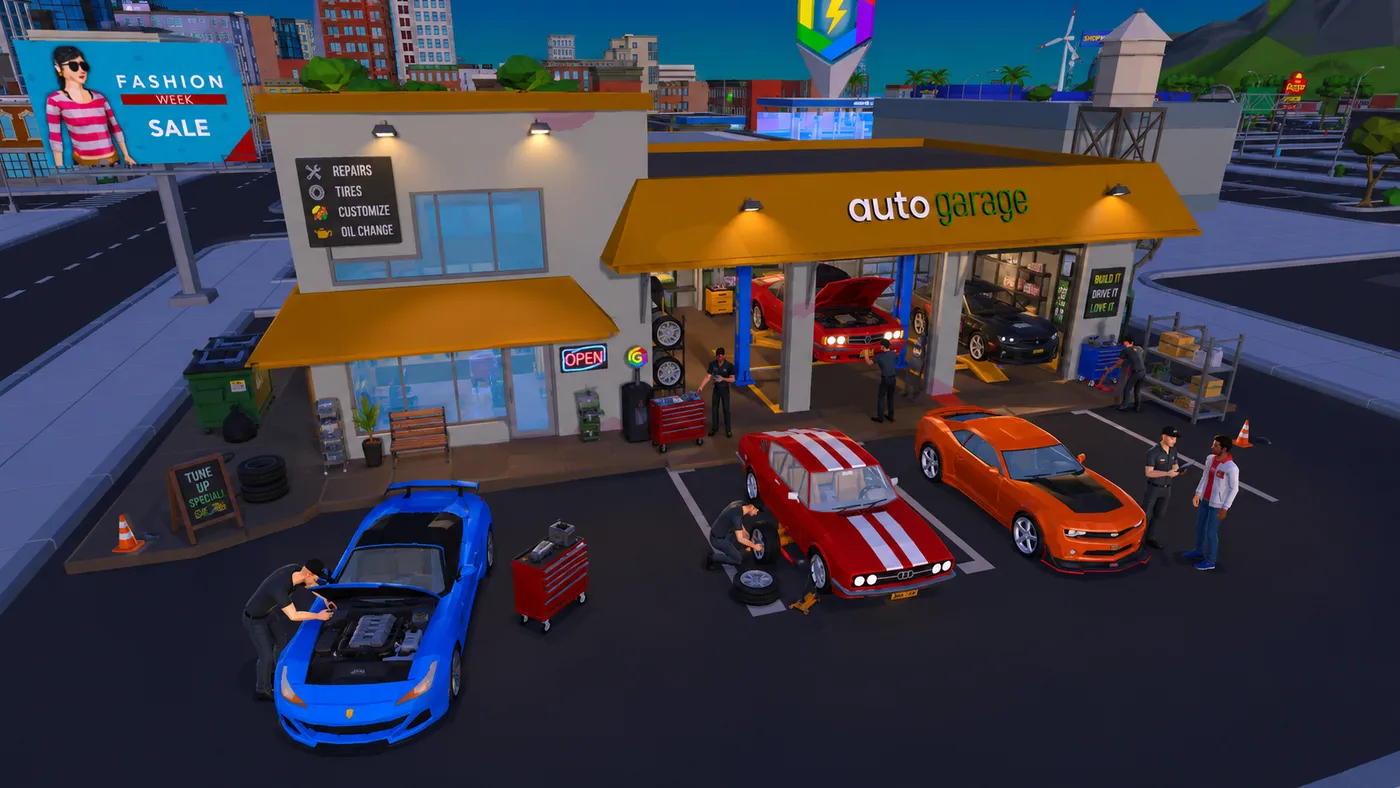
Automotive design task
Design choices and technical creativity.
A student does not take a test.
They step into an experience.
Tasks open space not for finding the right answer, but for observing how a student thinks, how they decide and how they approach different situations.
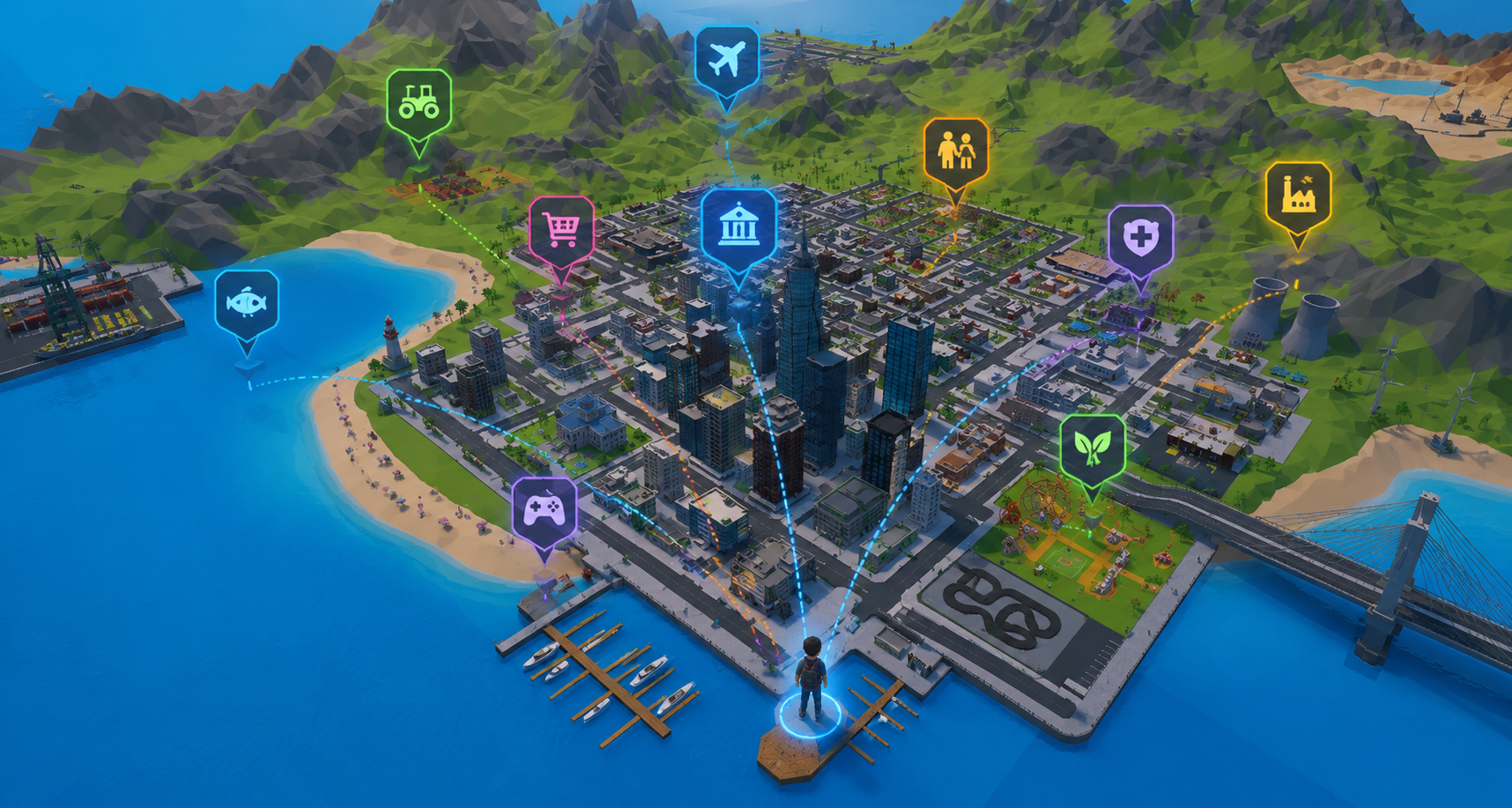
Assessment works invisibly, inside the game.
RIASEC
It does not place a student in a box. It enriches the view of their interests.
Hover over an area
Enterprising
Initiative, leadership and persuasion.
Example task
Broker · Sales
Observed approach
Decision speed, balancing risk and opportunity.
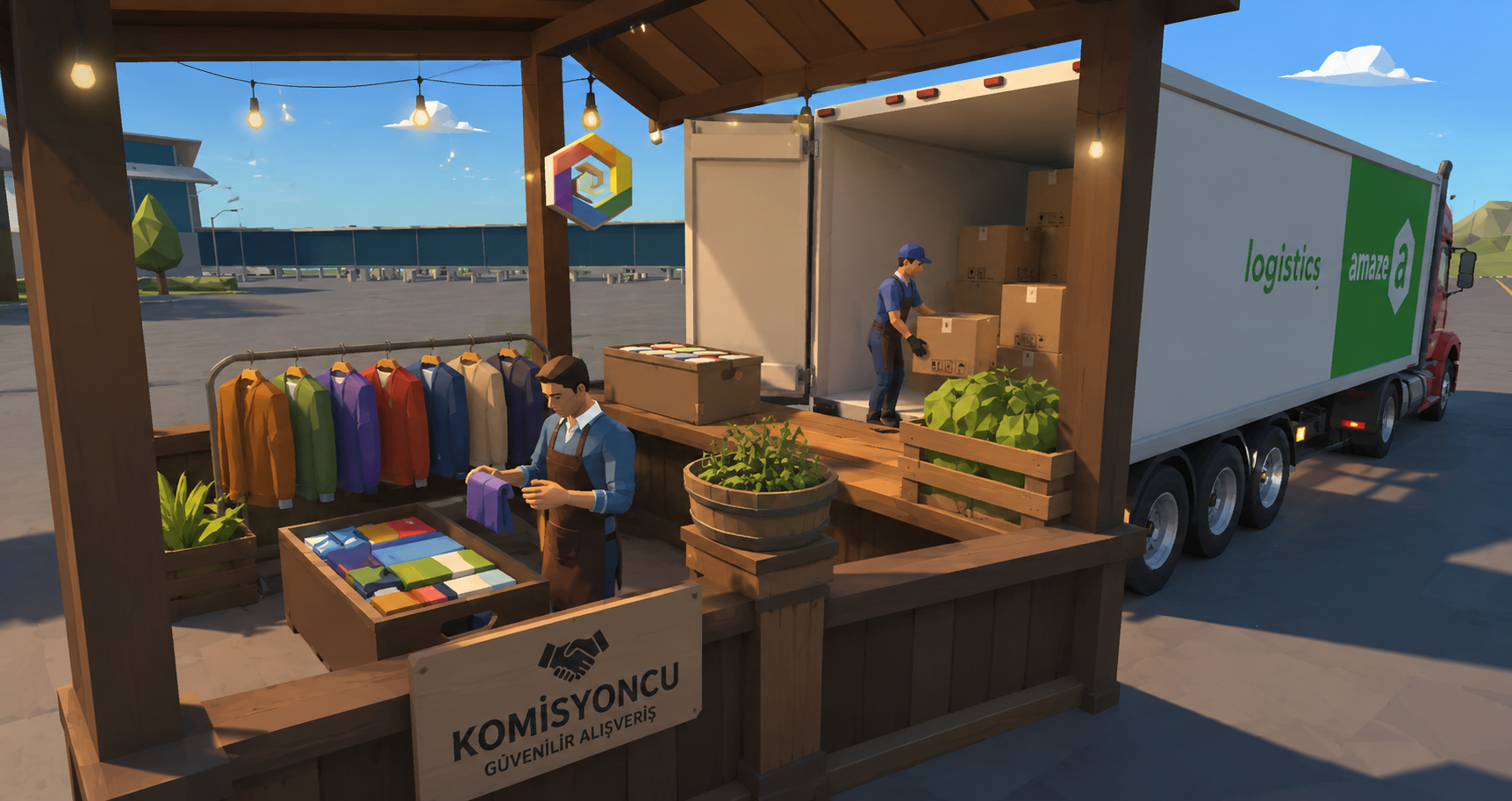
RIASEC is used not to fix a student into a category, but to support the visibility of different interest areas.
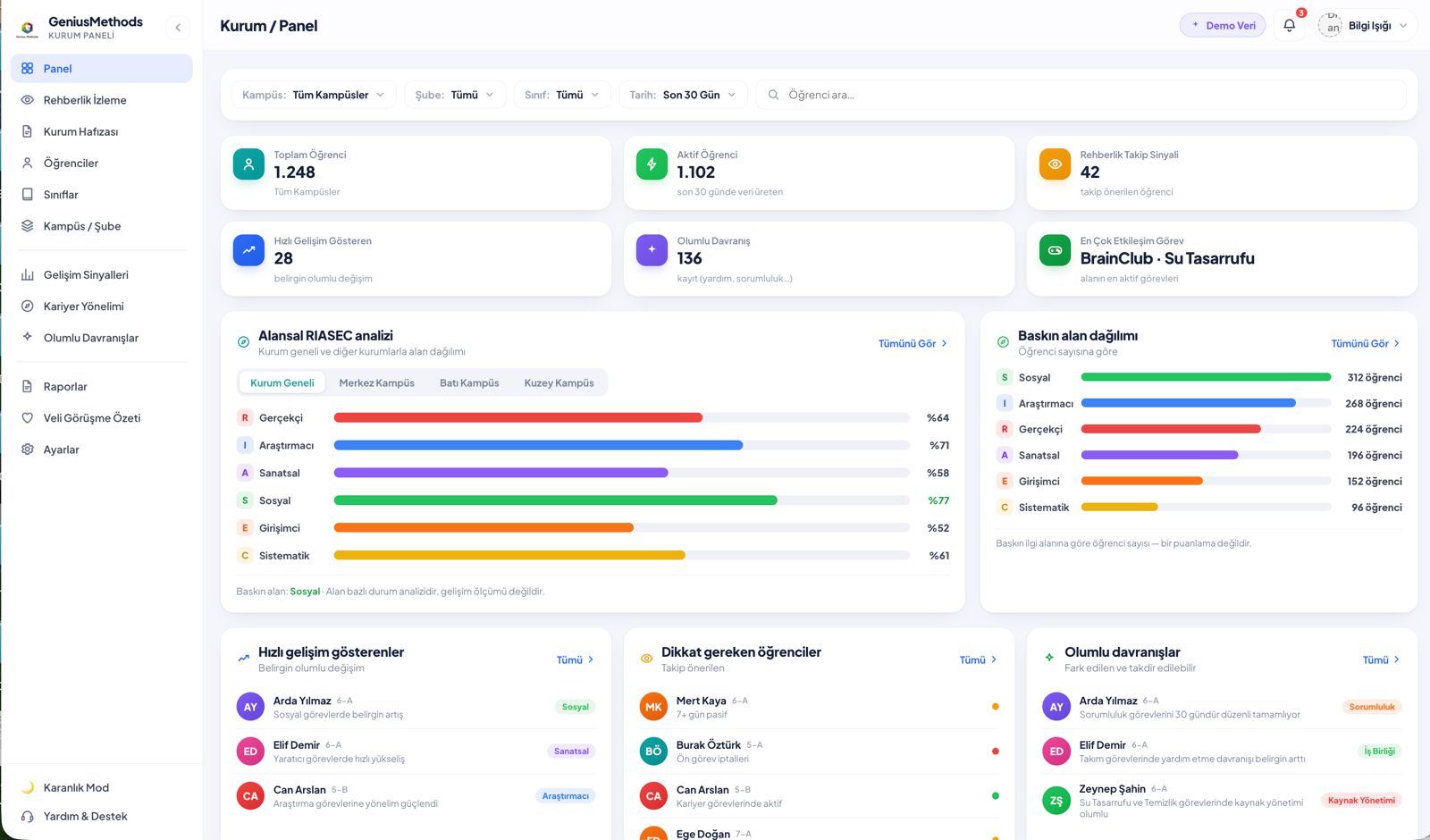
Each user sees only what they need.
Access is role-based; each panel opens only the content it is authorised for.
Institution panel
- Multiple classes and campuses
- Authorisation structure
- Institutional memory
- Report export
On data, we define the limits first.
When it comes to children’s data, we begin the design with boundaries.
As much data as needed
No unnecessary data is collected beyond the product’s purpose.
Role-based visibility
Each user accesses only the information they are entitled to.
Human oversight
The system alone does not make definitive judgements about a student.
A clear path from the first meeting to evaluation.
- Pre-meeting
- Need & scope
- Pilot plan
- Authorisation & data
- User definition
- Implementation
- Reporting
- Evaluation meeting
Frequently asked questions
No. The student completes game tasks without feeling they are taking a classic test; indicators are evaluated as a broader set of observations rather than a single definitive result.
No. The platform does not decide on a student’s behalf; it supports the visibility of different interest and behaviour tendencies.
It is primarily designed for students aged 10–18.
Access is role-based; only authorised institutional users can see the relevant reports.
Yes, it is designed to work with LMS, CRM and SSO systems.
Let’s evaluate GeniusMethods for your institution.
Talk to our team about a pilot and usage model.